
Best Smart Refrigerators: Integrated Screens vs. Standard Models
Is your fridge stuck in the stone age while your kitchen goes smart? Integrated screens can change how you shop and manage your food! As a seasoned appliance expert, I'm revealing the ultimate kitchen tech showdown. Stop missing grocery items and discover the Best Smart Refrigerators, comparing Integrated Screens vs. Standard Models based on cutting-edge Features, Connectivity, and true Cost benefit. Ready to upgrade to the future of kitchen management? Click here for the essential guide!
9/29/202518 min read

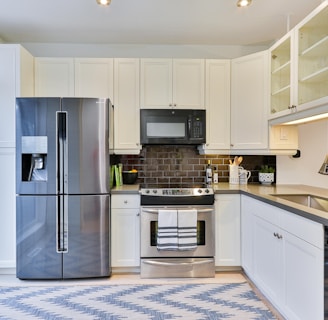
Our kitchens are the bustling heart of our homes, places where meals are created, families gather, and culinary adventures begin. And at the absolute center of this vital space sits an appliance we often take for granted, yet cannot live without: the refrigerator. It's not just a cold box; it's the guardian of our groceries, the keeper of our leftovers, and the silent workhorse that ensures fresh ingredients are always at our fingertips. But in an increasingly connected world, this essential appliance has evolved, moving beyond mere chilling to become a central hub of home management. The choices can feel overwhelming, particularly when deciding whether to embrace the cutting-edge convenience of an integrated screen or stick with the more subtle connectivity of a standard smart model.
I've been immersed in the appliance business for over three decades, witnessing firsthand the incredible evolution of household technology. From basic iceboxes to today's smart, multi-door marvels, refrigerators have transformed our lives. And if there's one decision that truly impacts your daily kitchen experience, your home's digital workflow, and your overall investment for the next decade or more, it's the type of smart refrigerator you choose. The debate often boils down to these two titans of connectivity: the highly interactive, screen-integrated hub versus the more traditional, app-connected smart fridge. I've seen countless homeowners pass through my store, grappling with this very dilemma, trying to weigh the pros and cons of a full-fledged kitchen command center versus subtle, remote monitoring. Trying to plan meals with a disconnected inventory, or battling a fridge that can't tell you if the door's ajar from across town, isn't just inefficient; it's a recipe for prolonged frustration, wasted food, and, crucially, a kitchen that just doesn't quite "work" for your modern, connected lifestyle. Trust me, I've heard enough sighs of relief from folks who finally streamlined their grocery lists or prevented food waste, and seen enough kitchens transformed by the right smart refrigerator, to know that cutting corners on this foundational appliance is a gamble you absolutely do not want to take.
So, whether you're a new homeowner designing your dream smart kitchen, a busy family prioritizing streamlined grocery management, or simply someone who desires a truly effective and convenient way to keep your perishables perfectly preserved while integrating with your digital life, understanding the nuances of smart refrigerators is absolutely paramount. What exactly are these essential giants that keep your food fresh and organized while connecting you to your home and beyond? What separates the truly great models from the merely adequate ones that will leave you battling weak cooling, unreliable connectivity, or frustrating interfaces? That's precisely what we're going to uncover today. We'll explore the ingenious design behind their cooling systems and connectivity options, demystify the specs like capacity, smart features, and screen functionality, compare their unique strengths and weaknesses for different lifestyles and kitchen setups, and, crucially, highlight some of my favorite real-world products that offer exceptional performance, intelligent organization, and user-friendly features. Ready to choose the smart heart of your kitchen with confidence and style? Let's get chilling and connecting!
The Intelligent Icebox: Integrated Screens vs. Standard Smart Refrigerators
Smart refrigerators bring connectivity and intelligence to food preservation, offering features beyond basic cooling. The primary differentiator within the smart fridge market often boils down to the presence and functionality of an integrated touchscreen display.
1. Smart Refrigerators with Integrated Screens (e.g., Samsung Family Hub, LG InstaView with Hub): The Kitchen Command Centers
These refrigerators feature a large touchscreen display built directly into one of the doors, typically on the fresh food side. This screen acts as a central hub for various smart functionalities.
How they work: The integrated screen runs a proprietary operating system (e.g., Samsung's Family Hub OS, LG's webOS) that allows direct interaction with apps, calendars, food management tools, and smart home controls. It is connected to your home's Wi-Fi network. Internal cameras may also be linked to the screen.
Pros of Integrated Screen Models:
Centralized Family Hub: Transforms the refrigerator into a family command center. Users can display calendars, leave digital notes/drawings, show photos, stream music/videos, and even mirror content from a smart TV or smartphone.
Enhanced Food Management: Often feature internal cameras that allow you to see inside your fridge from anywhere via the screen or a smartphone app. Some use AI (Artificial Intelligence) to identify food items, track inventory, and even suggest recipes based on available ingredients and expiration dates.
Direct Interaction: Provides an intuitive, visual interface for controlling refrigerator settings (temperature, modes), setting timers, creating shopping lists, and even ordering groceries directly from the screen.
Smart Home Integration: Can serve as a control panel for other smart home devices (lighting, thermostats, security cameras), offering integrated control from the kitchen.
Entertainment: Stream music, podcasts, or even watch TV while cooking.
Convenience: All smart features are accessible directly on the appliance itself, without needing to pull out a separate phone or tablet.
Cons of Integrated Screen Models:
Higher Upfront Cost: Significantly more expensive than smart refrigerators without screens. The screen technology and advanced features add to the price.
Security & Privacy Concerns: As with any internet-connected device with cameras/microphones, there's a potential (though often mitigated by manufacturers) for security vulnerabilities or privacy concerns.
Learning Curve: Can have many features, requiring some time to learn how to use all of them effectively.
Obsolescence Risk: The software and hardware of the screen can become outdated over time, potentially impacting future app compatibility or performance.
Maintenance: The screen itself needs cleaning (fingerprints), and software updates are necessary.
Not Always Essential: For users who primarily use their phones, the screen might feel redundant.
Best For:
Tech-Savvy Families: Those who embrace smart home technology and want a centralized kitchen hub.
Entertainers: For streaming music or displaying recipes during parties.
Busy Households: For shared calendars, digital notes, and integrated food management.
Those Prioritizing Ultimate Convenience & Integration: If having all smart features directly on the fridge is a top priority.
2. Standard Smart Refrigerators (No Integrated Screen): The Connected & Subtle
These refrigerators include Wi-Fi connectivity and various smart features but do not have a large touchscreen display. All smart functionalities are typically accessed and controlled via a smartphone app.
How they work: These models connect to your home's Wi-Fi network and communicate with a manufacturer-specific app (e.g., LG ThinQ, Samsung SmartThings, Bosch Home Connect, GE SmartHQ).
Pros of Standard Smart Refrigerators:
More Affordable: Generally less expensive than models with integrated screens, offering smart features at a more accessible price point.
Subtle Integration: Provides smart features without a large, visible screen, maintaining a traditional aesthetic in the kitchen.
Remote Control & Monitoring: Allows users to control temperature, modes, receive alerts (e.g., door ajar, power outage), and monitor appliance status remotely via their smartphone.
Smart Diagnostics: Many can self-diagnose issues and send fault codes to the app, simplifying troubleshooting.
Voice Assistant Compatibility: Often integrate with popular voice assistants (Alexa, Google Assistant) for hands-free control.
Energy Efficiency: Many include smart energy management features (e.g., optimizing defrost cycles based on usage patterns).
No Redundancy: For users who prefer to manage digital tasks on their phone, the lack of a screen isn't a drawback.
Cons of Standard Smart Refrigerators:
App Dependent: Requires a smartphone or tablet to access and control smart features.
Less Interactive: No direct visual interface on the appliance itself for things like displaying recipes or calendars.
Limited Food Management: Typically do not have internal cameras for inventory management (unless it's a specific, higher-end non-screen model with cameras).
Best For:
Budget-Conscious Buyers: Who want smart features without the premium cost of a screen.
Those Prioritizing Remote Access: If controlling temperature or receiving alerts on the go is key.
Homeowners Who Prefer a Traditional Aesthetic: Without a large visible screen.
Users Already Comfortable with Smartphone Apps: For appliance control.
3. Other Refrigerator Types (for context):
French Door: Two narrow doors for fresh food, freezer drawer(s) below.
Side-by-Side: Fridge on one side, freezer on the other (vertical split).
Top Freezer / Bottom Freezer: More traditional configurations.
Key Specifications & Features (General for All Smart Refrigerators):
Beyond the screen vs. no-screen debate, these features significantly impact a smart refrigerator's core performance, convenience, and long-term value.
Capacity (Cubic Feet - Cu. Ft.):
What it is: The total usable storage volume. Match to household size/needs (e.g., 18-22 Cu. Ft. for 1-2 people, 20-25 Cu. Ft. for 2-4 people, 25-30+ Cu. Ft. for 4+ people/bulk shoppers).
Dimensions: Crucial for fit. Measure precisely (width, height, depth - especially for counter-depth vs. standard).
Energy Efficiency (Energy Star Rating): Saves money on utility bills. Smart features can contribute to energy savings (e.g., optimizing defrost cycles).
Cooling System:
Dual Evaporators (Twin Cooling, TwinChill, etc.): Separate cooling systems for fresh food and freezer. Prevents odor transfer, maintains optimal humidity in fresh food, prevents freezer burn. Highly desirable.
Precise Temperature Control: Electronic sensors and controls for consistent temperatures.
Ice Maker & Water Dispenser:
Internal Ice Maker: Inside freezer.
External Ice & Water Dispenser: In door. Convenient access to filtered water and ice (cubed, crushed).
Filtration: Integrated water filter.
Craft Ice Maker: (Premium) Produces slow-melting, spherical ice.
Shelving & Organization: Spill-proof shelves, adjustable shelves, door bins, deli drawers, humidity-controlled crispers.
Smart Features (Specifics):
Internal Cameras: (Screen models, some non-screen models) Allow you to see fridge contents remotely.
Food Inventory Management: Track expiration dates, suggest recipes, create shopping lists (manual entry or AI recognition).
Family Hub Functions: Calendars, notes, photo displays, music/video streaming, smart home control (on screen models).
Voice Control: Via screen or app.
Proactive Maintenance Alerts: Notifies you of potential issues (e.g., door left ajar, filter change, diagnostic codes).
Noise Level: Important for open-concept kitchens.
Finish: Stainless steel (fingerprint-resistant), black stainless, white, black, custom panels.
Factors to Consider When Choosing Your Smart Refrigerator:
Budget: This is often the biggest deciding factor. Integrated screen models are significantly more expensive.
Desired Level of Interaction:
High Interaction (Kitchen Hub): If you want a central display for family communication, recipes, and entertainment, opt for an integrated screen.
Remote Monitoring (Subtle Convenience): If you primarily want remote control, alerts, and diagnostics via your phone, a standard smart fridge without a screen is sufficient.
Kitchen Layout & Aesthetic: Screen models are prominent. Do they fit your desired kitchen look?
Family Lifestyle: Busy families might value shared calendars and integrated shopping lists on a screen. Individuals might only need remote control.
Smart Home Ecosystem: Does the refrigerator's smart platform integrate with your existing smart home devices (e.g., SmartThings, Google Home, Alexa)?
Core Refrigerator Performance: Don't let smart features overshadow fundamental cooling performance, capacity, and organization.
Maintenance Willingness: Screens need cleaning, software updates are common for smart features.
Installation & Maintenance Tips:
Measure Precisely (3 Times!): Measure your opening width, height, and depth, accounting for door swing clearances and ventilation.
Professional Delivery/Installation: Highly recommended for proper leveling, hookups (water, electrical), and avoiding damage.
Wi-Fi Connectivity: Ensure your refrigerator's placement has a strong Wi-Fi signal for reliable smart features.
Leveling: Crucial for proper door swing, sealing, and ice maker function.
Proper Airflow: Allow adequate air circulation around coils for energy efficiency.
Filter Changes: Regularly change water and air filters.
Software Updates: Keep the refrigerator's software/firmware updated via the app for new features and security.
Screen Maintenance (for integrated screens): Clean with a soft, damp cloth. Use screen protectors if desired.
Seven Top Smart Refrigerators: Integrated Screens vs. Standard Models: A Closer Look
Let's dive into some specific, real-world products that exemplify excellence in smart refrigerator design, catering to various needs, budgets, and levels of desired smart integration.
Product Review 1: Samsung Family Hub 4-Door French Door Refrigerator (RF29BB86004M / RF29BB8900QLAA) - Integrated Screen Powerhouse
Samsung's Family Hub line is the undisputed leader in smart refrigerators with integrated screens, transforming the kitchen into a connected family command center. This 4-door French Door model is a top-tier performer.
Key Features: Large capacity (e.g., 29 cu. ft.). Features a massive integrated touchscreen Family Hub display on the right fresh food door. Includes internal cameras to view fridge contents remotely. Beverage Center™ (auto-fill water pitcher inside, separate dispenser). Dual Auto Ice Maker (cubed/crushed and Craft Ice™). Twin Cooling Plus® (dual evaporators). SmartThings Wi-Fi connectivity. Fingerprint Resistant Stainless Steel. Customizable Bespoke panels (on some models).
Pros:
Ultimate Family Hub: The large touchscreen acts as a central hub for family calendars, digital notes, photo displays, music/video streaming, smart home control, and direct internet access (recipes, grocery ordering).
Advanced Food Management: Internal cameras allow you to see what's inside from anywhere (via screen or app), track inventory, and receive expiration alerts. AI features on newer models can even auto-identify food.
Exceptional Convenience: The Beverage Center™ provides quick, easy access to filtered water (auto-fill pitcher, dispenser). Dual Auto Ice Maker offers ample ice options.
Superior Food Preservation: Twin Cooling Plus® maintains optimal humidity in the fridge and prevents freezer burn.
Sleek Design: Modern French Door with Fingerprint Resistant finish (and Bespoke options) is very stylish.
Cons:
Very High Price Point: A significant luxury investment.
Screen Dominance: The large screen is a prominent feature that may not appeal to all aesthetics.
Features Overload: Can have a learning curve due to the sheer number of features.
Privacy Concerns: Internal cameras might raise privacy concerns for some users.
Ideal Use Cases: Large, tech-savvy families, avid entertainers, or anyone designing a smart home who prioritizes a central kitchen hub for food management, communication, and entertainment, along with top-tier refrigeration.
Price Range: $2,500 - $4,000+.
Product Review 2: LG InstaView™ French Door Refrigerator (e.g., LMXS28626S or similar) - Integrated Screen with "Knock-Knock" Feature
LG's InstaView™ line is renowned for its unique "knock-knock" glass panel and smart features, offering a blend of subtle screen interaction and connectivity.
Key Features: Large capacity (e.g., 28 cu. ft.). Features a InstaView™ Door-in-Door® panel (a glass section on the right fresh food door that lights up when you knock twice, allowing you to see inside without opening). ThinQ® Technology (Wi-Fi connectivity) for remote control and diagnostics via app. Dual ice makers (in-door dispenser + extra in freezer for large capacity). Linear Compressor™ for quiet and efficient cooling. SpillProtector™ glass shelves.
Pros:
Innovative InstaView™ Door-in-Door®: The defining feature. Allows you to see fridge contents (especially frequently accessed items) without opening the door, minimizing cold air loss and saving energy.
Good Smart Features: ThinQ® app allows remote temperature control, alerts (e.g., door ajar), proactive diagnostics, and integration with voice assistants.
Superior Food Preservation: Linear Compressor™ and smart cooling technology maintain consistent temperatures.
Convenient Dual Ice Makers: Provides ample ice capacity for entertaining.
Spacious Fresh Food: Wide, unobstructed shelving is excellent for platters.
Sleek Design: Modern aesthetic with a PrintProof™ stainless steel finish.
Cons:
Price: A premium smart refrigerator.
Less Interactive Screen: The InstaView™ panel is for viewing, not a full interactive touchscreen like Samsung Family Hub (though LG has some models with full touchscreens).
Limited Internal View: Only shows a partial view of the fridge contents.
Door-in-Door Usage: Some find the outer door less useful or prefer a fully seamless look.
Ideal Use Cases: Homeowners who prioritize energy efficiency (minimizing cold air loss), desire smart connectivity, appreciate quick visual access to frequently used items, and value a modern, sleek aesthetic.
Price Range: $1,800 - $3,000.
Product Review 3: Bosch 800 Series French Door Refrigerator (B36CL80SNS / B36CL80ENS) - Standard Smart, Premium Performance
Bosch is renowned for its precision engineering, quiet operation, and exceptional food preservation. Their 800 Series French Door is a top-tier standard smart refrigerator, focusing on core performance and subtle connectivity.
Key Features: 21 cu. ft. total capacity (counter-depth design for a built-in look). Features Home Connect™ (Wi-Fi connectivity) for remote control and diagnostics via app. Dual compressors and dual evaporators (dedicated cooling for fresh food and freezer). VitaFreshPro™ drawers for advanced humidity and temperature control for produce and deli meats. Internal filtered water dispenser and ice maker. Recessed handles. Ultra-quiet operation (often 39 dBA).
Pros:
Exceptional Food Preservation: Dual compressors and dual evaporators, combined with VitaFreshPro™ drawers, provide unparalleled temperature stability and humidity control, keeping food fresh for significantly longer.
Superior Quietness: Known for extremely quiet performance (as low as 39 dBA), crucial for open-concept kitchens or kitchens near living areas.
Premium Built-in Aesthetic: Counter-depth design with sleek lines and recessed handles creates a high-end, integrated look that blends seamlessly with cabinetry.
Reliable Smart Features: Home Connect™ allows remote temperature control, alerts, and diagnostics via app (no screen clutter).
Durable & Reliable: German engineering ensures robust quality and longevity.
Cons:
High Price Point: A very significant premium investment.
Limited Capacity: 21 cu. ft. is on the smaller side for a French Door, and counter-depth further reduces usable space compared to standard-depth models.
Internal Water/Ice Dispenser: Less convenient for quick access than external dispensers.
No Integrated Screen: All smart features are app-driven.
Ideal Use Cases: Homeowners designing a high-end kitchen, food enthusiasts who prioritize superior food preservation and quiet operation above all else, and anyone seeking a premium counter-depth smart refrigerator without a visible screen.
Price Range: $3,500 - $4,500.
Product Review 4: GE Profile French Door Refrigerator (e.g., PVD28BYNFS or similar) - Standard Smart with Advanced Dispenser
GE Profile offers a premium line of appliances, balancing performance and design with cutting-edge features. This French Door model is a popular smart choice, known for its innovative dispenser.
Key Features: Large capacity (e.g., 27.9 cu. ft.). Features a unique Door-in-Door design with a Hands-Free AutoFill water dispenser (automatically fills a pitcher or glass). Separate temperature-controlled drawer (Custom-Temp Drawer) that can be set for specific items (e.g., meat, beverages, deli). SmartHQ™ App (Wi-Fi connectivity) for remote control and diagnostics. Dual evaporators for climate control. Fingerprint Resistant Stainless Steel.
Pros:
Innovative AutoFill Dispenser: The Hands-Free AutoFill feature automatically dispenses filtered water to fill a container (e.g., a glass or pitcher), adding a layer of convenience.
Custom-Temp Drawer: Provides a flexible storage zone with adjustable temperature settings for optimal preservation of specific foods or beverages.
Excellent Capacity: Generous storage space for large families.
Smart Features: SmartHQ™ app allows remote monitoring, control, and proactive maintenance alerts. Integrates with voice assistants.
Durable & Reliable: GE Profile is a trusted brand for robust appliance performance.
Fingerprint Resistant Finish: Easy to keep clean.
Cons:
No Integrated Screen: All smart features are app-driven.
Ice Maker Location: Ice maker is typically in the freezer, meaning no ice from the door dispenser.
Price: A premium smart refrigerator.
Can Be Noisy: Some users report compressor or ice maker noise.
Ideal Use Cases: Large families, entertainers, and home cooks who prioritize flexible storage (Custom-Temp Drawer), value innovative dispenser technology (AutoFill), and desire smart connectivity for a busy kitchen.
Price Range: $2,400 - $3,500.
Product Review 5: Whirlpool Smart French Door Refrigerator (e.g., WRF767SDHZ or similar) - Standard Smart, Practical Features
Whirlpool is a highly trusted brand for reliable and practical home appliances. Their Smart French Door refrigerator offers practical smart features and robust performance at a competitive price.
Key Features: Generous capacity (e.g., 26.8 cu. ft.). Features AccuFresh™ Dual Cooling System (dual evaporators for precise temperature and humidity control). Fingerprint Resistant Stainless Steel. External ice and water dispenser. Preserve Food with the Whirlpool® App (Wi-Fi connectivity) for remote control and diagnostics. Pizza Pocket (dedicated freezer spot). Total Coverage Cooling.
Pros:
AccuFresh™ Dual Cooling: Dual evaporators ensure optimal freshness for both fresh and frozen foods, preventing odor transfer and freezer burn.
Reliable Smart Features: The Whirlpool app allows remote temperature control, vacation mode, and diagnostic alerts.
Good Capacity: Ample storage space for families.
External Dispenser: Convenient access to filtered water and ice.
Fingerprint Resistant Finish: Easy to keep clean.
Pizza Pocket: A thoughtful storage solution for flat items in the freezer.
Good Value: Offers robust smart features and dual cooling at a competitive price for a French Door.
Cons:
No Integrated Screen: All smart features are app-driven.
Ice Maker in Door: While convenient, the in-door ice maker does consume some usable freezer space.
Can Be Noisy: Some users report standard compressor noise.
Ideal Use Cases: Families who prioritize excellent food preservation (dual cooling), value an external ice/water dispenser, and want practical smart features for remote control and monitoring, all within a reasonable budget.
Price Range: $1,800 - $2,500.
Product Review 6: Haier Quad Door Refrigerator (QHE16HYPFS) - Compact Smart, Unique Design
Haier offers a range of stylish and often compact appliances, increasingly integrating smart features. The Quad Door refrigerator is a unique design, combining smart features with flexible storage.
Key Features: Compact capacity (e.g., 16.8 cu. ft.). Features a unique Quad Door (4-door) French Door design with two fresh food doors on top and two freezer doors/drawers on the bottom. Digital Thermostat for precise temperature control. Quick Cool and Freeze functions. Integrated LED lighting. Often Wi-Fi capable for smart features. Fingerprint Resistant Stainless Steel.
Pros:
Space-Saving Smart Option: Offers smart features in a compact footprint, ideal for smaller kitchens or condos.
Unique Quad Door Design: Provides flexible access to both fresh and frozen compartments, potentially optimizing organization.
Precise Temperature Control: Digital thermostat and Quick Cool/Freeze functions ensure food stays at optimal temperatures.
Stylish Aesthetic: Modern design with fingerprint-resistant finish.
Energy Efficient: Often ENERGY STAR® certified.
Accessible Price Point: Often more affordable than larger smart French Door models.
Cons:
Limited Overall Capacity: 16.8 cu. ft. is small for families.
No Integrated Screen: Smart features are app-driven.
No External Dispenser: Internal ice maker only (if any).
Mixed Reviews for Reliability: Haier has a mixed reputation for long-term reliability compared to top-tier brands (based on general consumer reviews).
Ideal Use Cases: Smaller households, apartment dwellers, or anyone needing a compact, stylish smart refrigerator with a unique quad-door design, prioritizing space efficiency and basic connectivity over vast capacity or ultra-premium features.
Price Range: $1,000 - $1,500.
Product Review 7: Frigidaire Gallery FGHN2868TE Smart French Door Refrigerator (27.8 Cu. Ft.) - Standard Smart, Reliability Focus
Frigidaire Gallery offers a line of stylish and functional appliances with a focus on reliability. The FGHN2868TE is a popular standard smart French Door model, providing strong performance and useful features.
Key Features: 27.8 cubic feet total capacity. Features CrispSeal® Plus Crispers (with an Auto Humidity control filter) to keep produce fresh. EvenTemp™ Cooling System (circulates cold air throughout for consistent temperature). PureAir Ultra® II Air Filter (removes odors). Wi-Fi connectivity for remote control and alerts. Deep counter-depth shelves. Flexible interior storage. Smudge-Proof™ Stainless Steel finish. External ice and water dispenser.
Pros:
Excellent Food Preservation: CrispSeal® Plus Crispers and EvenTemp™ Cooling System ensure consistent temperatures and optimal humidity, helping food stay fresh longer.
Good Capacity: Generous storage space for large families.
External Dispenser: Convenient access to filtered water and ice.
Smudge-Proof™ Finish: Resists fingerprints and smudges, making it easy to keep clean.
Smart Features: Wi-Fi connectivity allows remote temperature control, door-ajar alerts, and filter reminders via app.
PureAir Ultra® II Filter: Helps reduce odors.
Good Value: Offers robust smart features and food preservation at a competitive price.
Cons:
No Integrated Screen: All smart features are app-driven.
Ice Maker in Door: While convenient, the in-door ice maker does consume some usable freezer space.
Can Be Noisy: Some users report standard compressor noise.
Ideal Use Cases: Large families who prioritize excellent food preservation (especially produce), value an external ice/water dispenser, and want reliable smart features for remote control and monitoring.
Price Range: $1,800 - $2,500.
The Kitchen Architect's Code: Tips for Smart Refrigerator Mastery
Owning the right smart refrigerator is a fantastic investment, but proper installation, diligent maintenance, and smart usage ensure optimal performance, food preservation, and longevity.
Measure Precisely (CRUCIAL!): Before purchasing, measure your kitchen space accurately.
Width, Height, Depth: Measure the opening precisely. Account for overhead cabinet clearances, door swing clearances (especially French Door models next to a wall or island), and space needed for heat dissipation at the back (usually 1-2 inches minimum, check manual).
Standard-Depth vs. Counter-Depth: Decide which aesthetic and capacity preference you have. Counter-depth (aligns with counters) looks sleek but has less capacity.
Professional Delivery & Installation: For larger, heavier refrigerators, professional delivery and installation are highly recommended. This ensures proper leveling, hookups (water, electrical), and avoids damage to the appliance, your floors, or your walls.
Wi-Fi Connectivity & Signal Strength: Ensure your refrigerator's placement has a strong Wi-Fi signal for reliable smart features. Weak signals can lead to dropped connections or unreliable app control.
Leveling: After installation, ensure the refrigerator is perfectly level (front-to-back and side-to-side) using a spirit level. This is CRUCIAL for proper door swing (doors closing fully and sealing properly), efficient cooling, and correct ice maker function. Adjust the leveling feet as needed.
Proper Airflow & Placement: Do not push the refrigerator completely flush against the wall or cabinets unless it's a "built-in" or "built-in ready" model designed for zero clearance. Allow adequate air circulation around the condenser coils (usually located at the back or underneath) as per the manufacturer's manual. Restricted airflow forces the compressor to work harder, reducing energy efficiency and potentially leading to premature compressor failure.
Filter Changes (Regularly!):
Water Filter: For ice makers and water dispensers, replace the water filter every 6 months (or as recommended by the manufacturer/filter indicator) to ensure clean, great-tasting water and ice, and to prevent flow issues.
Air Filter (if equipped): Some premium smart models have air filters to reduce odors. Replace these as recommended.
Clean Condenser Coils (Periodically): Periodically (e.g., every 6-12 months), clean the condenser coils (usually located at the back or underneath). Dirty coils reduce energy efficiency and make the compressor work harder. Unplug the refrigerator first, and use a vacuum cleaner brush attachment.
Maintain Door Seals: Regularly inspect the door gaskets (seals) for tears, cracks, or gaps. Keep them clean. A leaky seal allows cold air to escape, wasting energy and causing the compressor to run excessively. Test by closing the door on a piece of paper; it should be difficult to pull out.
Software Updates (for Smart Models): Keep the refrigerator's software/firmware updated via the app. Manufacturers often release updates for new features, security patches, and performance improvements.
Optimize Internal Organization:
Use Bins & Containers: Especially in deep freezer drawers (French Door) or narrow side-by-side freezer shelves, use clear bins or baskets to group similar items and maximize usable space.
Adjust Shelves: Customize adjustable shelves to fit taller items or maximize vertical space.
Label: Label bins in the freezer or pantry to easily find items.
Food Storage Best Practices:
Store produce in humidity-controlled crispers.
Keep leftovers in airtight containers.
Avoid overpacking the refrigerator, as this can restrict airflow and impact cooling efficiency.
Keep the freezer relatively full for better energy efficiency (less cold air escapes when opened).
Conclusion: Your Kitchen's Cold Heart, Chilling with Confidence and Intelligent Style
The smart refrigerator, whether adorned with an integrated screen or offering subtle app-driven connectivity, is far more than just an appliance; it's a vital component of modern kitchen management, transforming food preservation into a seamless, connected experience. Choosing the right one is a significant decision that impacts not just aesthetics but also functionality, organization, and efficiency for over a decade.
We've explored the comprehensive kitchen hub experience offered by integrated screen models, ideal for interactive family management and entertainment. We've delved into the practical convenience and remote monitoring capabilities of standard smart refrigerators, perfect for those who prefer app control. From the ultimate family hub and advanced food management of a Samsung Family Hub Refrigerator, a benchmark for screen-integrated models, to the energy-saving InstaView™ and smart features of an LG French Door Refrigerator, offering a unique blend of style and efficiency, and the premium food preservation and quiet operation of a Bosch 800 Series Smart Refrigerator, each smart refrigerator offers a unique pathway to chilling with confidence.
Don't let guesswork, inefficient food management, or a disconnected kitchen workflow compromise your culinary endeavors. Invest wisely in the best smart refrigerator that aligns with your specific lifestyle, family needs, desired level of interaction, and budget. Understand its nuances, and, crucially, commit to meticulous installation, diligent maintenance, and smart organization. Because with the right smart refrigerator as the cold heart of your home, you're not just storing food; you're preserving freshness, enhancing convenience, and building a foundation of culinary confidence and intelligent style for years to come. So, choose with precision, chill with purpose, and let your kitchen truly sparkle with smart efficiency!
Top Quality Home Appliances
Stay updated with our latest reviews.
subscribe
contact@topqualityhomeappliances.com
© 2025. All rights reserved.